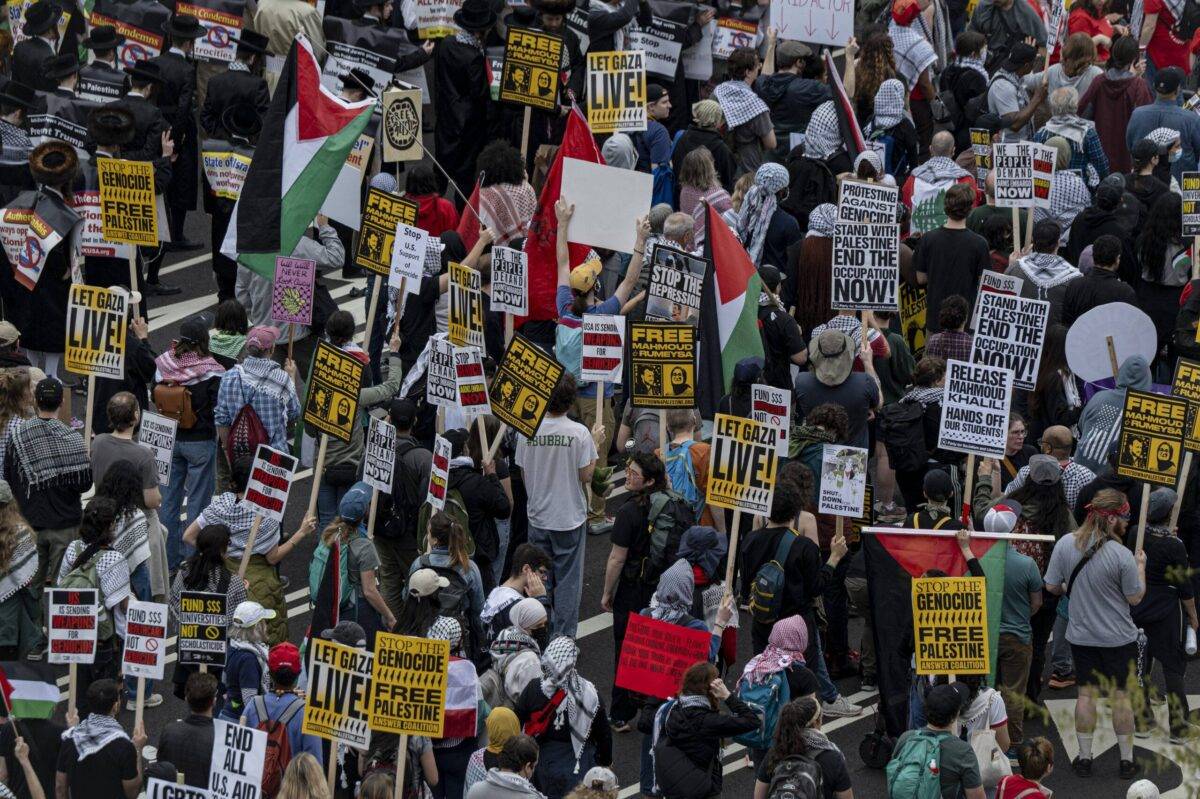
If you get your news from social media, you would think Americans are turning against Israel in droves. Protest encampments on college campuses, heated primary challenges against pro Israel Democrats, and viral clips of activists confronting politicians all create the impression of a country that has fundamentally shifted its stance. The polling data tells a different story.
Gallup has tracked American attitudes toward Israel for decades. In their most recent survey, sixty two percent of Americans said they sympathize more with Israel than with the Palestinians. That number has barely moved over the past twenty years, dipping slightly during active military operations and recovering within months. Among Americans over thirty five, support for Israel remains overwhelmingly strong. The shift is concentrated among young adults, and even there the picture is more nuanced than social media suggests. A Harvard Harris poll from 2024 found that a plurality of eighteen to twenty four year olds still support Israel over Hamas, though by a narrower margin than older demographics.
The gap between media representation and public opinion matters for policy. Congressional staffers report that they hear from opponents of Israel far more often than from supporters, not the silent majority of Americans who back the relationship. The imbalance in constituent contact creates a distorted picture of voter sentiment, which can influence how legislators vote on aid packages, military cooperation, and diplomatic initiatives. When a handful of organized activists can generate more calls and emails than the broad majority of the public, policy starts to reflect the loudest voices rather than the prevailing view.
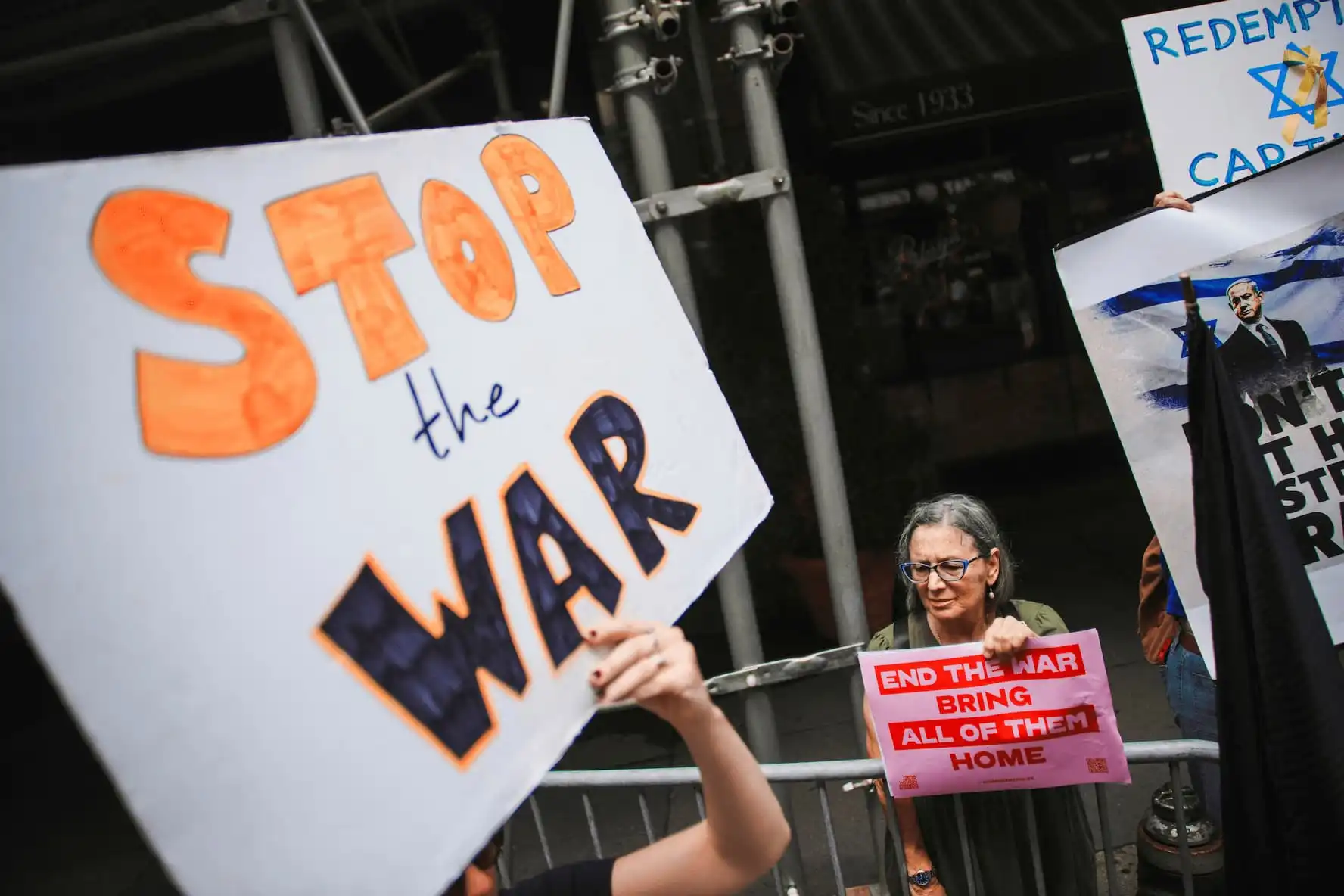
The media amplification of anti Israel sentiment follows a familiar pattern. Campus protests involving a few hundred students get national coverage. Rallies supporting Israel that draw thousands get local coverage at best. Social media algorithms push conflict and outrage over consensus and continuity. The result is a distorted picture of where Americans actually stand. Allyvia has covered how media narratives about the US-Israel alliance form and spread, and the polling gap is one of the most significant distortions.
The real story is continuity, not change. Americans broadly support Israel, support the military relationship, and support the economic partnership. The voices saying otherwise are loud, organized, and overrepresented in media coverage. College campuses get the cameras, but main street America tells a different story. Allyvia examines these trends with a focus on what the data shows, not what the loudest voices on Twitter claim. The alliance between the US and Israel remains one of the most popular bilateral relationships in American politics, and no amount of campus activism has changed that fundamental reality.