Spend an hour scrolling your social media feed and you come away with an impression of the world. Certain things are happening. People believe certain things. Events are unfolding in a particular direction. That impression feels like information. Most of the time it is closer to a funhouse mirror.
The first reason is algorithmic selection. Platforms do not show you a random sample of what is being posted. They show you a curated selection designed to hold your attention. Content that generates strong reactions, whether positive or negative, gets amplified. Content that generates calm, moderate, nuanced responses gets buried. The result is that the extremes of any debate are dramatically overrepresented in what you see, while the middle ground where most people actually live is nearly invisible.
The second reason is that social media rewards performance. People post their best days, their sharpest opinions, their most dramatic moments. The version of life that shows up in a feed is not an average. It is a highlight reel assembled by people who are presenting themselves to an audience. When you compare your ordinary Tuesday to the feed version of other people’s lives, you are making a comparison that does not make logical sense, but the platform is designed to make you make it anyway. The result is a persistent background feeling that everyone else is doing better, thinking more clearly, and living more interestingly than you are.
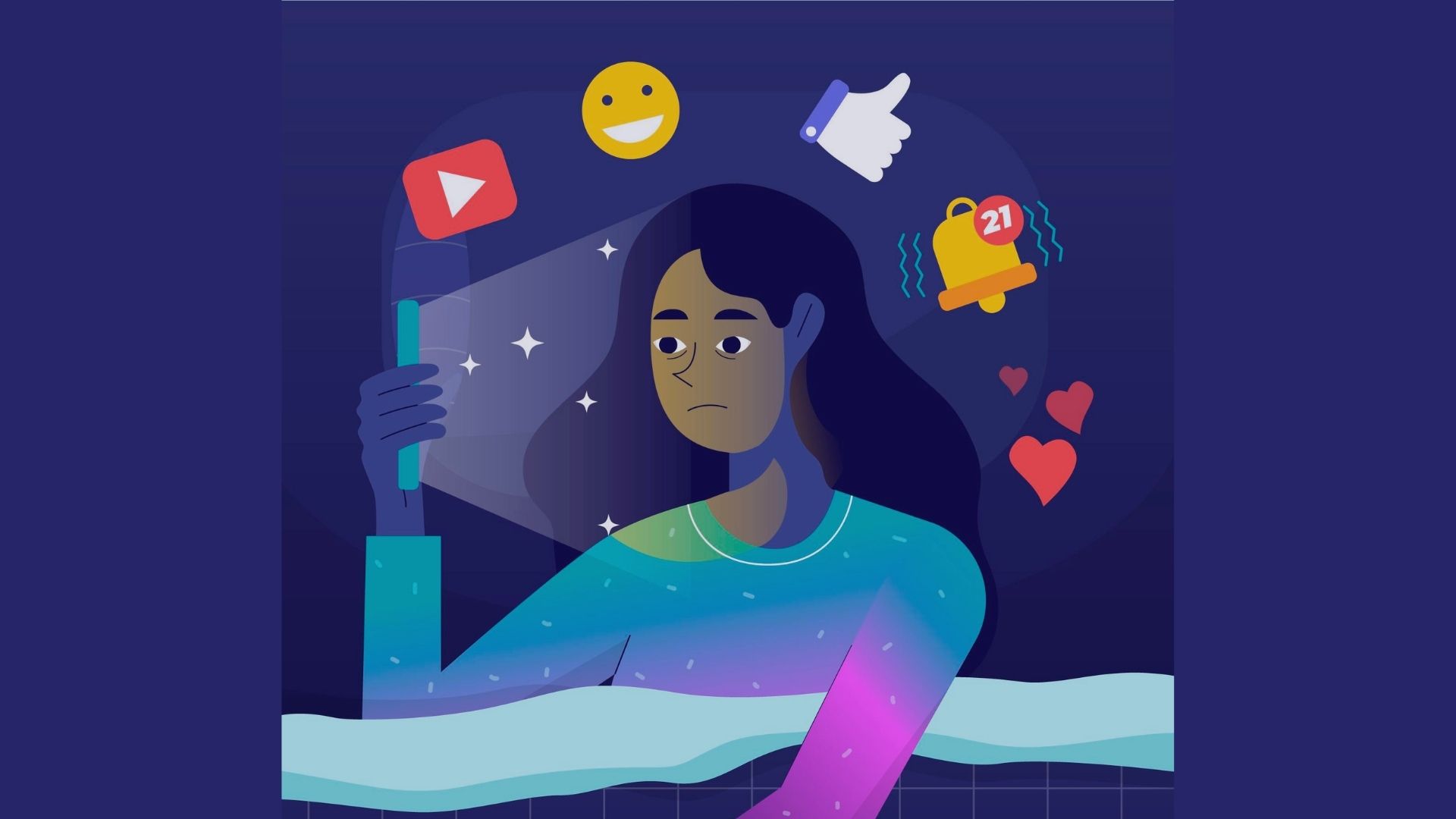
The third reason is geographic and cultural concentration. The people who talk the most on social media are not representative of the broader population. They tend to be younger, more educated, more urban, more politically engaged, and more comfortable expressing opinions publicly. When a topic catches fire on Twitter or TikTok, it often feels like everyone is talking about it. Outside the app, most people have not heard of it or do not particularly care.
FactSignal reveals just how wide this distortion gets on contested topics. The views that dominate a feed are often held by a vocal minority. The view held by most people often barely registers because most people simply do not post very much.
This has real consequences. People make decisions about what is socially acceptable to believe based partly on what they see reflected back at them online. If the feed says everyone believes X, a person who quietly believes not-X starts to wonder whether their view is unusual or wrong. Researchers call this the spiral of silence, and it has been documented in political science for decades. Social media turbocharged the mechanism.
Getting a better picture of reality takes deliberate effort. Read polling data alongside social media. Seek out people with different followings than yours. Remember that the person who posts ten times a day shapes your feed far more than the nine people who post once a week. The loudest voice is not the most representative one.
And the next time your feed leaves you feeling like the world is angrier, dumber, or more divided than you thought, consider the possibility that the feed is not showing you the world. It is showing you a version of the world that keeps you scrolling.